Bulgaria
 English
 français
 Deutsch
 italiano
 русский
 español
 português
 العربية
 Nederlands
 한국의
한국의 Romania
 Melayu

Хлор-алкалният процес е един от най-важните електрохимични производствени пътища в основните химикали. Основната му задача е да използва рафиниран саламура като суровина и едновременно да получава хлор, водород и каустична сода (натриев хидроксид) чрез електролиза. Нарича се „хлор-алкал“, защото една и съща електролизна система може да произвежда хлор и алкален разтвор едновременно; след това двете влизат в низходящи индустриални вериги като PVC, епихлорохидрин, целулоза и хартия, алуминиев оксид, пречистване на вода, текстил, фармацевтика и фини химикали. Съвременните инсталации обикновено прилагат метода на йонообменната мембрана, тъй като в сравнение с традиционните диафрагмени и живачни методи, той предлага по-висока чистота на продукта, по-ниска консумация на енергия и по-контролируеми екологични рискове. За купувачите ключовият проблем е не само „дали електролизаторът може да работи“, но и дали качеството на саламурата, производителността на мембраната, състоянието на електрода, токова ефективност, изолацията за безопасност на хлор-водород и системите за обработка надолу по веригата могат да останат стабилни в дългосрочен план. Тези фактори съвместно определят капацитета, консумацията на енергия и разходите за поддръжка на хлор-алкална инсталация.
Целият производствен процес започва с пречистване на саламура. Индустриалната сол или саламура обикновено съдържа калций, магнезий, желязо и суспендирани твърди вещества. Ако тези примеси попаднат в електролизера, те могат да замърсят мембраната и да повишат напрежението на клетката, така че е необходимо да бъдат отстранени чрез химическо утаяване, филтрация, прецизна филтрация и, където е необходимо, дълбока обработка с хелатна смола. Пречистената високочиста саламура се подава в анодната камера, докато катодната страна поддържа подходяща циркулация на вода и алкали. След подаване на захранване, хлоридните йони на анода губят електрони, за да образуват хлор; натриевите йони преминават през... хлор-алкална йонообменна мембрана в катодната камера и образуват сода каустик с хидроксидни йони, получени чрез електролиза на вода, докато на катода се отделя водород. Действителните промишлени електролизатори често работят непрекъснато при относително висока плътност на тока, така че селективността на мембраната, електрическото съпротивление, стабилността на химическата устойчивост, както и активността на анодното покритие и повърхността на катода, влияят пряко върху напрежението на клетката и ефективността на тока. За нови строителни или разширителни проекти, изборът на подходящи... продукти от хлоралкалния процес изисква оценка на електролизера, мембраната, електродите, токоизправителната система, системата за саламура, третирането с хлор и последващата обработка с каустична сода като интегрирана система, вместо да се сравнява само цената на отделното оборудване.
След електролизата, трите продукта трябва да преминат през целенасочена последваща обработка. Мокрият хлор обикновено съдържа влага и малко количество увлечена солена мъгла, така че трябва да се охлади, обезмасли, изсуши и компресира, след което да се изпрати към инсталации за течен хлор, хлороводород, натриев хипохлорит или други хлориращи продукти, в зависимост от употребата му надолу по веригата. Водородът трябва да се измие, охлади и безопасно да се вентилира или регенерира и може да се използва като гориво или химическа суровина. Концентрацията на сода каустик, получена от електролизата, обикновено не е крайната търговска концентрация, изисквана от всички клиенти, така че някои инсталации са оборудвани и със системи за изпаряване и концентриране, за да се концентрира допълнително алкалният разтвор до общи търговски спецификации, като например около 50%. Ключът тук не е единичен параметър, а системна интеграция: например, лошият контрол на съдържанието на влага в хлора ще влоши корозията на оборудването надолу по веригата; високите примеси в саламурата ще съкратят живота на мембраната; а намалената ефективност на топлообмена в системата за изпаряване значително ще увеличи консумацията на пара. Стабилното непрекъснато производство изисква координирана работа на процеса, оборудването и автоматичното управление.
В цялата система, хлор-алкалната йонообменна мембрана е един от ключовите консумативи, влияещи върху оперативната икономика. Мембраната трябва да пропуска натриеви йони, като същевременно предотвратява обратната миграция на хлоридни йони и хидроксидни йони, доколкото е възможно, за да се поддържа висока токова ефективност и да се намали попадането на сол в продукта от сода каустик. Когато производителността на мембраната се влоши, често срещаните симптоми включват повишено напрежение на клетката, по-висока консумация на енергия, ненормално съдържание на сол в сода каустик или колебания в диференциалното налягане в една клетка. Причините за скъсен живот на мембраната обикновено включват прекомерна твърдост на йони като калций и магнезий в саламура, замърсяване с желязо и тежки метали, органично замърсяване, неправилно стартиране и спиране и локални механични повреди в клетката. Следователно, подмяната на мембраната не трябва да се извършва единствено по фиксиран график; тя трябва да се преценява чрез комбиниране на напрежение, токова ефективност, диференциално налягане, чистота на продукта и исторически експлоатационни тенденции. Rubri, под егидата на Hefei Sinopower Technologies Co., Ltd., може да предостави свързано оборудване, резервни части и техническа поддръжка за хлор-алкални системи. Купувачите могат също да посетят hfsinopower.com да научите за решения за модернизация на инсталации, подмяна на резервни части и поддръжка на проекти.
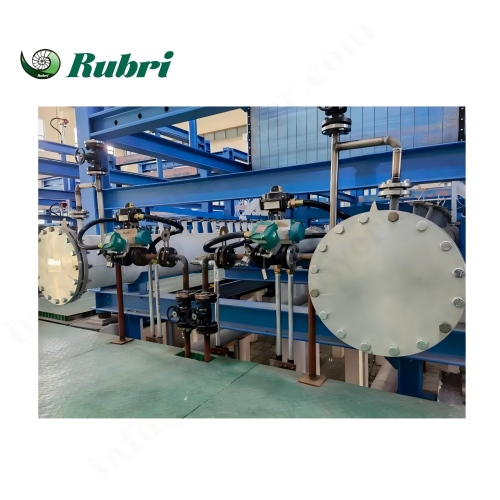
За хлор-алкални инсталации, които работят от много години, факторът, който наистина влияе върху загубите от престой, често е възможността за ремонт с хлор-алкали и превантивна поддръжка. След продължителна експлоатация, електролизерите могат да развият проблеми като стареене на уплътненията, корозия на рамката, деактивиране на електродните покрития, течове от мембраната, повишено контактно съпротивление в шините, дрейф на инструментите и повреда на уплътненията на клапаните. Ако ремонтите се извършват само пасивно след възникване на повреди, това често води до непланирани спирания, рискове за безопасността при работа с хлор-водород и производствени загуби. По-ефективен подход е да се създадат оперативни файлове за отделните клетки, непрекъснато да се записват напрежението, токът, температурата, диференциалното налягане, концентрацията на каустик и качеството на хлора в клетките, а по време на годишната поддръжка едновременно да се проверяват мембраната, електродите, уплътненията, изолационните части и критичните тръбопроводи. За клиенти, които планират разширяване на капацитета или енергоспестяващи модернизации, трябва да се оцени и ефективността на токоизправителя, структурите с нулева междина, подновяването на електродите, капацитетът за пречистване на саламура и логиката за автоматизирано управление. Основната стойност на хлор-алкалния проект не е просто „задействането на оборудването“, а е да се поддържа ниска консумация на енергия, висока ефективност на тока и стабилно качество на продукта възможно най-дълго при безопасни условия. Ето защо изборът на оборудване, управлението на мембраната и стратегията за поддръжка трябва да се разглеждат заедно.


 IPv6 ПОДДЪРЖА СЕ В МРЕЖАТА