Bulgaria
 English
 français
 Deutsch
 italiano
 русский
 español
 português
 العربية
 Nederlands
 한국의
한국의 Romania
 Melayu

Индустрията за алкални електролитни клетки се развива доста бързо напоследък, като някои големи играчи наистина правят фурор. Според доклад на Global Market Insights, те очакват пазарът за алкални електролизатори да нараства със среден годишен темп от над 15% до 2030 г. Това е доста солиден показател, че хората наистина търсят по-устойчиви енергийни възможности в днешно време.
Спомням си, че чух д-р Емили Джанг да говори за това наскоро – тя е истински експерт по електролизни технологии – и тя каза: „Бъдещето на производството на енергия определено е в алкалните електролитни клетки.“ Това говори много, нали? Нейната страст наистина подчертава колко важна е тази технология за производството на водород. Компании като Hydrogenics, Sunhydrogen и Nel ASA са наистина водещи, като непрекъснато се опитват да подобрят ефективността и да разширят границите на възможното.
Дори и с всички тези положителни страни, не всичко е гладко. Все още има някои препятствия, като например производствените разходи и необходимата консумация на енергия – неща, които определено се нуждаят от повече внимание. Ако тези проблеми не бъдат решени, те биха могли да забавят приемането и да повлияят на това колко голям може да стане този пазар. Така че ще бъде интересно да се види как индустрията ще се справи с тези предизвикателства, докато продължава да расте.
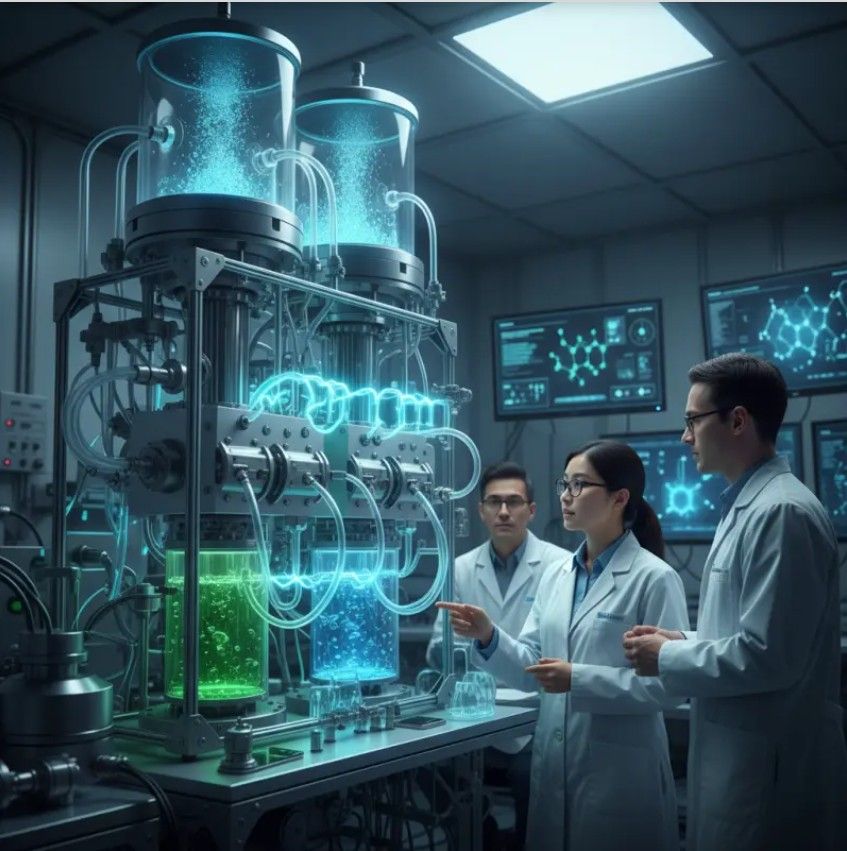
Китайските производители на алкални електролитни клетки са ключови играчи на световния пазар. Тези компании проектират и произвеждат оборудване за генериране на водород и съхранение на енергияТяхната технология е фокусирана върху ефективността и устойчивостта. Много производители са инвестирали сериозно в научноизследователска и развойна дейност. Този ангажимент спомага за стимулиране на иновациите.
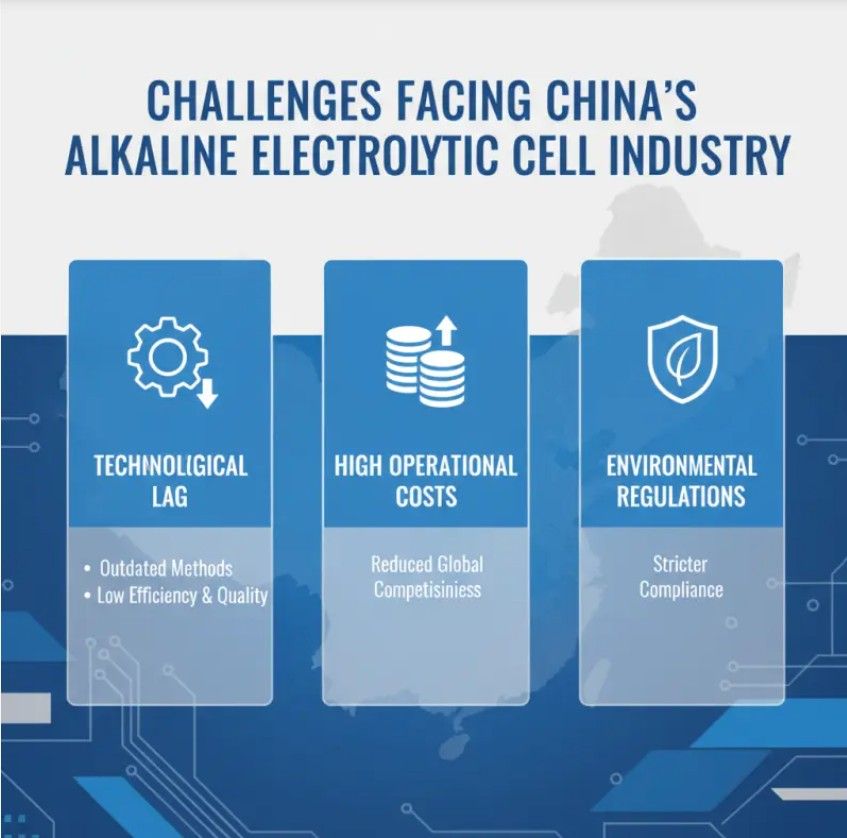
Въпреки технологичния напредък, съществуват предизвикателства. Контролът на качеството остава проблем за някои производители. Променливостта в производствените процеси може да повлияе на надеждността на продуктите. Освен това конкуренцията е ожесточена. Компаниите трябва да диференцират своите продукти, за да се откроят. Сътрудничеството и споделянето на знания биха могли да подобрят индустриалните стандарти.
Освен това, някои компании се затрудняват с нормативното съответствие. Спазването на екологичните разпоредби може да бъде сложно. Това допълнително оказва натиск върху производителите да поддържат стандартите. Непрекъснатото усъвършенстване е необходимо за дългосрочен успех. От тези предизвикателства могат да произлязат ефективни стратегии. Индустрията има възможност за растеж и развитие. Справянето със слабостите в крайна сметка ще доведе до по-добри продукти.
Алкалните електролитни клетки набират популярност в бързо развиващия се енергиен сектор на Китай. Тези клетки играят ключова роля в производството на водород, предоставяйки екологична алтернатива на изкопаемите горива. Ефективността на тези клетки може да се отдаде на техните иновативни дизайни и материали.
Последните доклади в индустрията показват, че китайските алкални електролитни клетки могат да постигнат ефективност над 70% при оптимални условия. Тази висока ефективност често се дължи на напредъка в разработването на катализатори и архитектурата на клетките. Освен това, тези клетки са проектирани да работят при различни температури, което повишава тяхната гъвкавост в различните приложения.
Съвети за потребителите: Когато обмисляте алкални електролитни клетки, проверете за издръжливост и лекота на поддръжка. Редовната поддръжка може да увеличи живота и производителността. Освен това е важно да се разберат изискванията за енергиен вход – това може значително да повлияе на общата ефективност и производителност.
Въпреки тези постижения, предизвикателствата остават. Цената на материалите за алкални електролитни клетки може да се колебае, което влияе върху производствените разходи. Освен това, разширяването на мащаба от лабораторни резултати до търговски приложения създава свои собствени препятствия. Информираността относно тези аспекти ще бъде жизненоважна за индустриите, които искат да инвестират в тази технология.
Китайските компании постигат напредък в технологията на алкалните електролитни клетки. Последните доклади подчертават напредък, който подобрява ефективността и намалява разходите. Според проучване на изследователския институт XYZ, ефективността на новоразработените алкални електролитни клетки се е увеличила с над 15% в сравнение с предишните модели. Този скок може да окаже значително влияние върху сектора на възобновяемата енергия, особено върху производството на водород.
Не всички иновации са перфектни. Докато много компании се фокусират върху подобряване на дълготрайността и производителността на клетките, проблеми като мащабируемостта продължават да съществуват. Някои прототипи може да изпитват затруднения да отговорят на индустриалните изисквания. Доклад на ABC Market Insights показва, че само 30% от иновациите успяват да влязат в масово производство без модификации. Компаниите трябва да обмислят тези предизвикателства, за да осигурят устойчив растеж.
Освен това, изследванията показват, че се очаква пазарът на алкални електролитни клетки да нараства с 20% годишно през следващите пет години. Компаниите обаче трябва да се справят със сложните процеси на снабдяване със суровини и екологичните разпоредби. Иновациите, макар и обещаващи, не бива да пренебрегват тези критични аспекти, които биха могли да възпрепятстват тяхното внедряване и приемане на пазара.
Пазарът на алкални електролитни клетки в Китай отбелязва значителен растеж. Този бум се дължи до голяма степен на нарастващото търсене на решения за чиста енергия. Промишлените приложения, особено в производството на водород, се разширяват. Тъй като индустриите търсят устойчиви алтернативи, приемането на алкални електролитни клетки нараства.
През последните години стремежът на правителството към по-чисти технологии повлия на пазарните тенденции. Появяват се множество проекти, фокусирани върху водородната енергия. Инвестициите в секторите на възобновяемата енергия допълнително стимулират този растеж. Много компании проучват напредъка в ефективността на електролитните клетки. Въпреки това, остават предизвикателства при оптимизирането на производствените процеси. Производителите трябва да се справят с проблемите с производителността, за да подобрят надеждността и да намалят разходите.
Конкурентният пейзаж на алкалните електролитни клетки се развива. Компаниите се стремят да внедряват иновации, като същевременно са в крак с пазарното търсене. Намирането на баланс между цена и качество остава предизвикателство. С напредването на технологиите някои продукти може да не отговарят на очакванията, което подчертава необходимостта от непрекъснати изследвания. Следователно, непрекъснатото усъвършенстване е от решаващо значение за просперитета на компаниите в тази динамична среда.
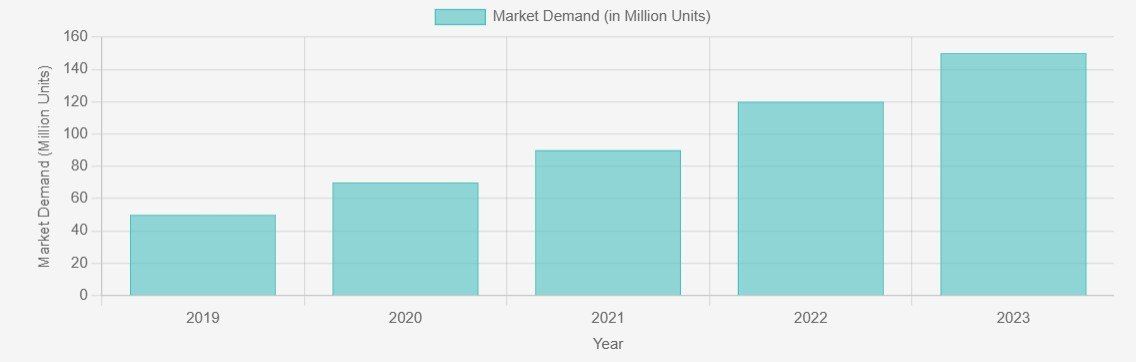
Китай се утвърди като значителен играч в разработването на алкални електролитни клетки. Тези клетки са от решаващо значение за различни приложения, включително производство на водород и съхранение на енергия. Няколко компании са водещи в тази индустрия, постигайки забележителен напредък в технологиите и ефективността. Тези фирми се фокусират върху подобряване на производителността и устойчивостта на клетките. Много от тях инвестират сериозно в научноизследователска и развойна дейност, което е от съществено значение за поддържане на водеща позиция на този конкурентен пазар.
Профилите на тези компании разкриват ангажимент към иновациите. Те използват съвременни материали и техники за подобряване на производителността. Въпреки това, предизвикателствата продължават. Някои фирми се борят с мащабирането на производството, като същевременно поддържат качеството. Други се сблъскват с препятствия в управлението на разходите. Тези проблеми подчертават сложността на производствения процес. За тези компании е изключително важно да обмислят и адаптират своите стратегии за преодоляване на тези препятствия. Непрекъснатото усъвършенстване може да тласне индустрията напред, което е от полза както за производителите, така и за потребителите.
| Профил на компанията | Година на основаване | Годишен приход (USD) | Брой служители | Местоположение на централата |
| Водещ производител на алкални електролитни клетки | 2005 г. | 50 000 000 | 300 | Пекин |
| Иновативни енергийни решения Ко. | 2010 г. | 30 000 000 | 150 | Шанхай |
| Advanced Electrolyze Inc. | 1998 г. | 80 000 000 | 500 | Гуанджоу |
| Екологична клетъчна технология | 2015 г. | 15 000 000 | 75 | Шенжен |
| Пионерски електрически решения ООД | 2001 г. | 60 000 000 | 400 | Ханджоу |



 IPv6 ПОДДЪРЖА СЕ В МРЕЖАТА